
PET CARE PLANNING (HealthLogixRx)
🐾🐾🐾🐾
Because Care Doesn’t Stop at the Patient — It Includes Their Pet
When patients worry about their pets, they delay care. When we solve that barrier, outcomes improve. We address one of the most overlooked barriers to care: ensuring patients’ pets are safely supported during recovery, hospitalization, and care transitions.
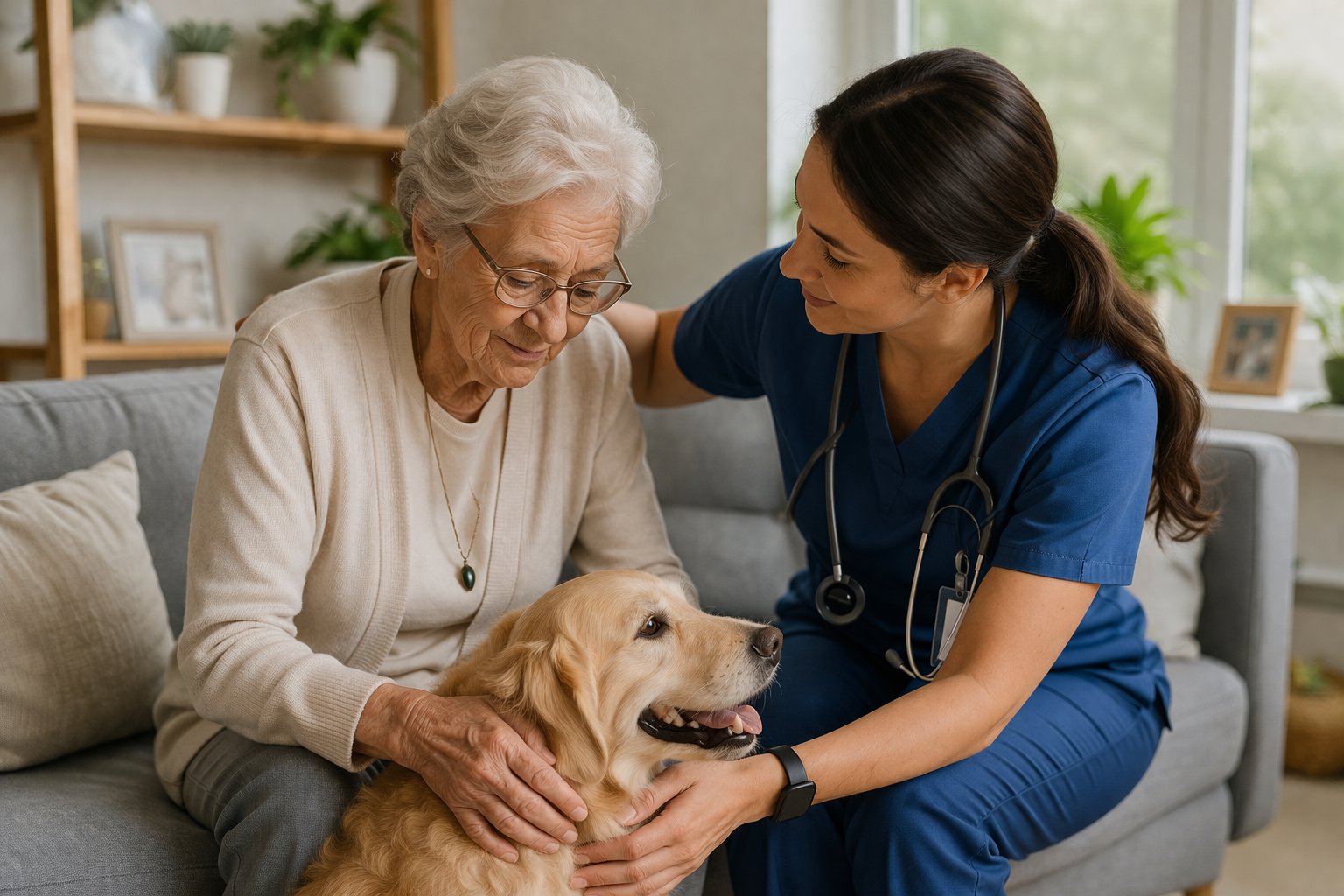
Why Pet Care Planning Matters
For many patients, pets are more than companions—they are family.
Yet pet care is one of the most overlooked barriers in healthcare planning.
Nearly 1 in 3 seniors delay care due to pet-related concerns
Over 70% rely on pets for emotional support
Unplanned pet care can lead to unsafe discharges and readmissions
By addressing pet care as part of the care plan, we reduce stress, improve adherence, and support better clinical outcomes.

🐾 PET & SENIOR CARE STATISTICS
~ Addressing pet-related barriers improves patient outcomes, reduces delays in care, and supports safe transitions home.
Core Stats Section
📊 1. Pets Influence Healthcare Decisions
Nearly 1 in 3 older adults report delaying or avoiding medical care due to concerns about their pet.
🏡 2. Pets Are Family — Not Optional
Over 70% of seniors consider their pet a primary source of emotional support and companionship.
70%+ of Seniors
rely on pets as a primary source of companionship and emotional stability.
🚑 3. Discharge Risks Increase Without Pet Planning
Lack of pet care support contributes to:
Delayed discharges
Unsafe home returns
Increased readmission risk
Unplanned Pet Care
can lead to unsafe discharges and increased readmission risk.
💙 4. Pets Improve Health Outcomes
Pet ownership is associated with:
Lower blood pressure
Reduced anxiety and depression
Improved recovery and emotional stability
Coordinated Support
Reduces stress, improves adherence, and supports recovery.
📉 5. Emotional Barriers Impact Clinical Outcomes
Patients with unmet social needs (including pet care) are significantly more likely to experience:
Poor adherence to care plans
Missed appointments
Increased hospital utilization
🐾 Pet Planning Reduces Readmissions 🐾
When patients worry about their pets, they delay care.
When we remove that barrier, outcomes improve.
🎯Through coordinated care planning, we support both the patient and what matters most to them—resulting in safer discharges and better recovery.